
2026 Guide to Renovating a Century Home in Toronto: Costs, Permits, and ROI
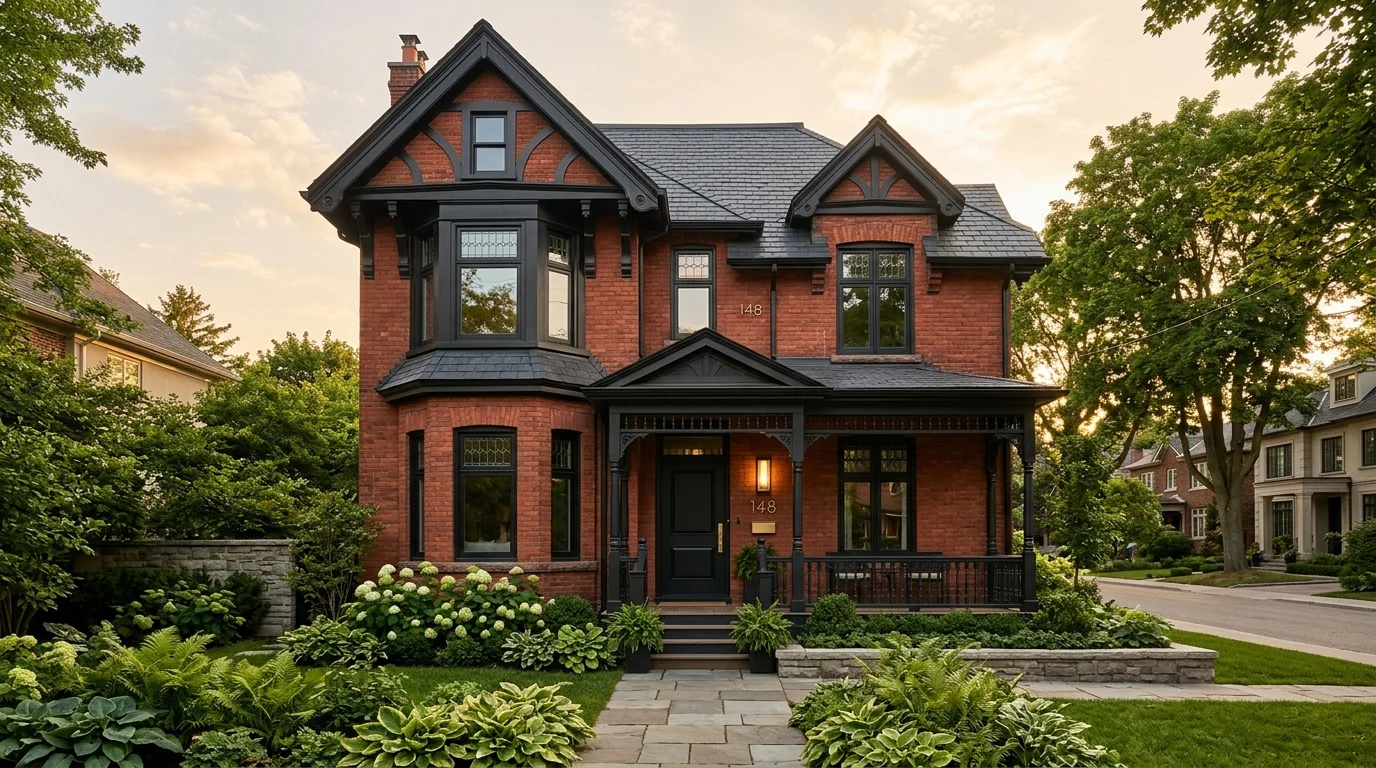
Toronto's century homes — the red-brick semis of Leslieville, the stone-clad detacheds of Rosedale, the bay-and-gable rows of The Annex — carry architectural value that newer builds cannot replicate. They also carry rubble foundations, knob-and-tube wiring, and plaster walls that hide decades of deferred maintenance. Renovating one is not a cosmetic refresh; it is a structural and systems project with a heritage overlay. This guide breaks down realistic 2026 costs, permit paths, and where your money actually returns value.
Unique Challenges of Century Home Renovations in Toronto
Before you choose finishes, you need a clear picture of what is behind the walls. Century homes in Toronto share a predictable set of hidden costs that modern builds rarely face.
Structural and foundation realities
Many pre-1940 Toronto homes sit on rubble or fieldstone foundations with lime mortar that degrades when groundwater cycles through freeze-thaw seasons. Floor joists may have been notched, sistered, or cut for past plumbing runs. Once you open walls, sagging headers and undersized beams often appear. Structural corrections — sistering joists, underpinning sections, or rebuilding a compromised rubble wall — typically run $12,000 to $45,000 depending on access and scope. Ignoring these issues before finishing leads to cracked plaster, stuck doors, and failed inspections.
Outdated electrical, plumbing, and HVAC
Knob-and-tube wiring, galvanized supply lines, and gravity furnaces are still common in Toronto's older housing stock. Full electrical replacement to modern 200-amp service with arc-fault protection costs $18,000 to $35,000 for a typical 2,000 sq ft home. Replacing galvanized plumbing with copper or PEX runs $12,000 to $28,000. Upgrading to a high-efficiency HVAC system with proper duct sealing adds another $12,000 to $22,000. Insurance companies often require these upgrades before approving coverage on a renovated property.
Hazardous materials
Asbestos in pipe wrap, vermiculite insulation, and vinyl floor tiles, plus lead paint on trim and exterior siding, is standard in homes built before 1970. Certified abatement before demolition is mandatory — not optional. Budget $8,000 to $25,000 for asbestos removal alone on a full-gut project, depending on sample results and containment requirements under Ontario Regulation 278/05.
Permits and heritage requirements
The City of Toronto requires building permits for structural, electrical, plumbing, and most exterior alterations. Properties in Heritage Conservation Districts — Rosedale, parts of Cabbagetown, The Annex — need heritage approval before a building permit is issued. Unauthorized window replacements, facade changes, or additions can trigger stop-work orders and fines. Plan 8 to 16 weeks for permit and heritage review before construction starts. Our major renovation team coordinates permit drawings, heritage impact statements, and inspection sequencing so you are not paying crew standby while paperwork stalls.
Breaking Down Average Toronto Century Home Renovation Costs
There is no single price tag — scope, finishes, and what you find behind the walls drive the number. These 2026 GTA ranges reflect projects we price regularly for century homes in Toronto's older neighbourhoods.
| Project type | Typical cost range (2026) | Notes |
|---|---|---|
| Cosmetic refresh (paint, floors, fixtures) | $30,000 – $70,000 per area | Kitchen or bath only; systems unchanged |
| Major renovation (kitchen + bath + partial systems) | $150,000 – $400,000 | Layout changes, some rewiring/plumbing |
| Full gut + structural + systems | $400,000 – $1,000,000 | $150–300/sq ft; asbestos and foundation work common |
| Addition or pop-top on century home | $800,000 – $2,000,000+ | Heritage review, engineering, and zoning add time and cost |
Material choices swing budgets sharply. Period-correct millwork, heritage-approved windows, and custom stone counters cost more than off-the-shelf alternatives — but stripping all original trim destroys the resale story. Specialized trades who understand plaster repair and historic framing charge a premium over general contractors; that premium prevents costly mistakes on load-bearing walls and heritage facades.
Always carry a 15–20% contingency. Once demolition starts, hidden water damage, pest damage, and unpermitted past work appear in roughly half the century home projects we assess. A pre-renovation inspection by a structural engineer — not just a home inspector — surfaces foundation and framing risks before you commit to a finish budget.
Maximizing Your ROI on a Toronto Century Home Renovation
A century home renovation should improve daily life and resale value. Toronto buyers pay a premium for original character paired with modern function — not for a generic flip that erased the history.
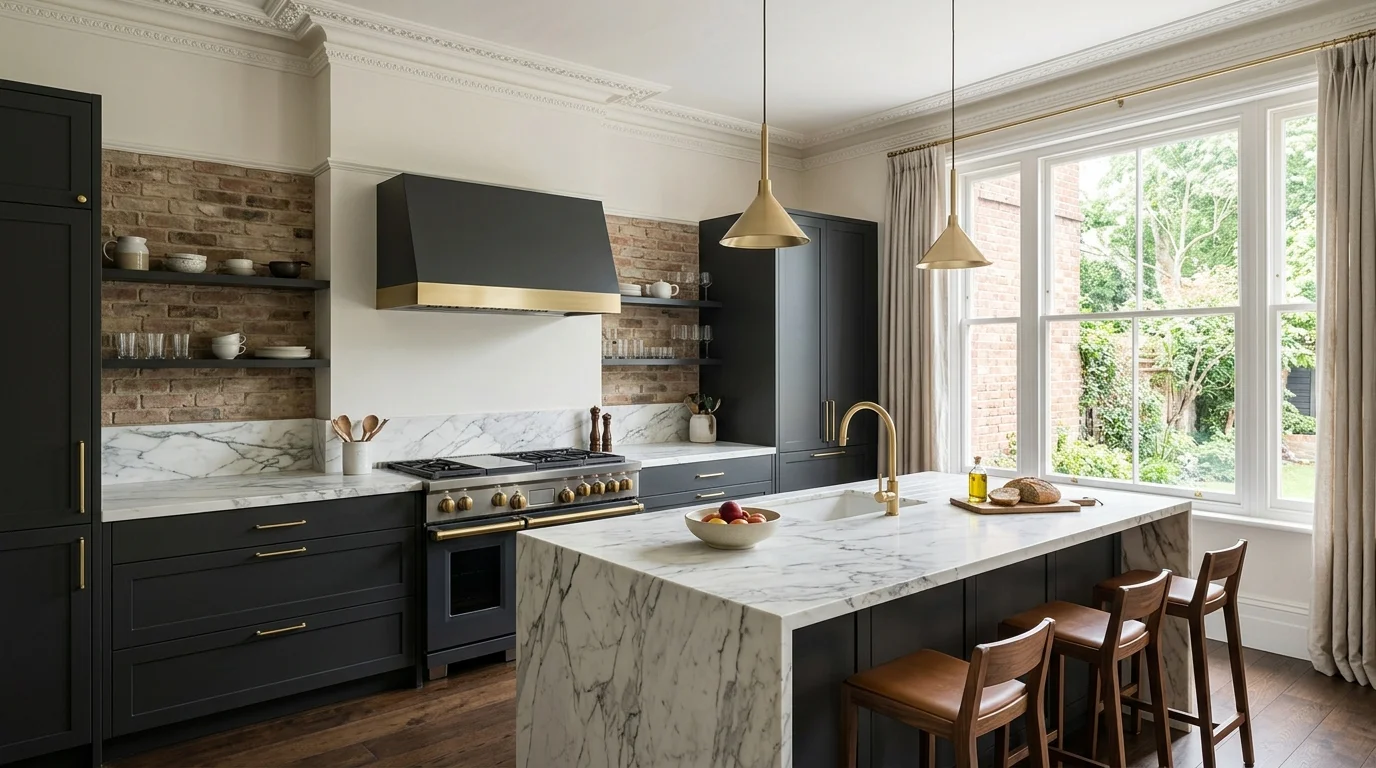
Kitchens and bathrooms lead returns. A main-floor kitchen with updated layout, quality appliances, and preserved or replicated original trim typically returns 70–85% of cost at resale in Toronto's older neighbourhoods. Primary bathrooms with heated floors and proper ventilation return 60–75%. These rooms drive daily satisfaction and buyer decisions — prioritize them over niche upgrades like wine cellars or media rooms that only appeal to a narrow buyer pool.
Preserve character while modernizing. Original hardwood, stained glass, plaster crown moulding, and brick fireplaces are why buyers choose century homes over new construction. Strip them out and the property competes with every other renovated semi in the city. The winning formula: restore visible heritage features, hide modern systems (HVAC, wiring, plumbing) behind walls, and use complementary materials — not mismatched contemporary finishes that clash with the facade. Consult with professionals who specialize in home renovations to strike that balance.
Energy efficiency pays twice. Upgrading attic insulation to R-50+, replacing single-pane windows with heritage-profile triple-glazed units, and installing a high-efficiency heat pump cuts hydro bills immediately and adds a selling point. Envelope upgrades return 50–70% at resale but also reduce operating costs while you live there — a rare win on both sides of the ledger.
Smart Strategies for Managing Toronto Century Home Renovation Costs
Century home budgets blow up when scope, sequencing, and contractor selection are vague. These four strategies keep projects on track in Toronto's 2026 market.
Lock scope before demolition. Work with your contractor on a detailed scope of work, material selections, and line-item budget before walls come down. Every mid-project design change — moving a kitchen wall, upgrading tile after ordering, adding a skylight — adds weeks and thousands. A fixed scope with a written allowance for unknowns (asbestos, foundation) is the single best cost-control tool.
Phase work when a full gut is not feasible. Sequence structural and systems first (foundation, framing, electrical, plumbing, HVAC), then kitchens and baths, then finishes. A poorly planned phase — finishing a kitchen before rewiring is complete — means tearing out new work. Each phase should leave the home weathertight and code-compliant before the next starts.
Hire for century home experience. General contractors who build new subdivisions rarely understand plaster repair, heritage window profiles, or rubble foundation waterproofing. Ask for references on Toronto projects built before 1940. Review our builder background and process for similar scope — not just kitchen photos on new builds. The wrong contractor costs more in rework than the premium for specialized experience.
Budget 15–20% contingency. Hidden water damage, pest infestation, and unpermitted additions surface once demolition begins. A $400,000 project with no contingency becomes a $480,000 crisis when asbestos appears in the attic insulation. Hold contingency in reserve until final inspection — do not allocate it to upgrades mid-project.
Renovating a century home in Toronto is a significant investment — but one that preserves irreplaceable architecture while delivering modern comfort. With realistic budgeting, the right team, and a clear sequencing plan, you transform a historic property into a home that performs for decades and holds its value in Toronto's competitive market.
FAQ About Toronto Century Home Renovations
What's the first step for a century home renovation in Toronto?
The very first step is a thorough home inspection by a qualified professional specializing in older homes. This identifies existing structural issues, hazardous materials, and outdated systems. You'll then want to consult with an experienced contractor like AVL Custom Homes to discuss your vision and get an initial sense of feasibility and potential costs before diving into design. This groundwork is critical.
Do century homes need specific types of insurance during renovation?
Yes, your standard homeowner's insurance likely won't cover a major renovation. You'll need to discuss builder's risk insurance with your provider, which protects the property during construction. Your contractor should also carry comprehensive liability insurance and WSIB coverage for their team. Always verify these coverages to protect yourself from potential liabilities during the project.
How long does a typical century home renovation take in Toronto?
The timeline varies significantly by scope. A major renovation, including structural work, system upgrades, and interior finishing, can take anywhere from 8 to 24 months, or even longer for extensive additions. Planning, permits, and inspections also add several months before construction even begins. Patience and clear communication with your contractor are key.
Are there financial incentives for renovating heritage properties in Toronto?
While specific grants for private heritage home renovations are rare from the City of Toronto, some broader programs might apply (e.g., energy efficiency rebates). It's always worth checking the City of Toronto's website for heritage property incentives and federal/provincial programs for energy upgrades, though direct renovation grants are uncommon. Focus on ROI from property value increases.
Should I live in my century home during a major renovation?
For extensive renovations involving structural work, system replacements, or a full gut, it's generally advisable to move out. This ensures your safety, speeds up the renovation process, and reduces stress and disruption to your daily life. Living in a construction zone can be hazardous and extremely uncomfortable due to noise, dust, and lack of utilities.
Ready to explore the possibilities for your historic property? Contact AVL Custom Homes today to discuss your Toronto century home renovation. Our expertise with older properties ensures a seamless process from concept to completion, maximizing your investment and bringing your vision to life.

Written by Ali Vaez
Founder & Principal Builder, AVL Custom Homes Inc.
Structural engineer with a BSc and MSc in Civil Engineering. Over 20 years of global construction experience, GTA operations since 2014.
Published: 2026-04-04 · 11 min read · 2,137 words
AVL Custom Homes provides expert home services across Toronto and the Greater Toronto Area.
Contact us today — we serve Toronto and surrounding communities.