
The Ultimate Home Maintenance Checklist for Toronto & GTA

Why seasonal maintenance matters in the GTA
Ontario’s climate is not gentle on building envelopes. Winter cold contracts materials; spring thaw saturates soil and stresses foundations; humid summers load air-conditioning systems; autumn leaves clog drainage just before freeze-up. Homes that skip seasonal passes develop predictable failure modes: basement seepage, ice dams, failed furnaces on the coldest weekend of the year, and roof leaks that start as a stain and end as a full ceiling rebuild.
Maintenance is risk management. A $400 gutter cleaning and a $250 HVAC filter-and-inspect routine can prevent $25,000–$80,000 water or mechanical failures. For landlords and snowbird owners, documented maintenance also protects insurance claims and resale inspections.
Regional nuance: clay soils in parts of Toronto and East York move differently than sandy lots in Oakville or Brampton. Older post-war bungalows in North York and Etobicoke often have undersized drainage compared to newer 905 builds. City-specific care pages — Toronto, Vaughan, Markham, and Richmond Hill — map local priorities when you want a pro to own the schedule.
Spring checklist (March–May)
Spring is about meltwater management and revealing what winter hid.
- Roof and eavestroughs: Clear debris; check for lifted shingles, damaged flashings, and ice-dam staining. Budget $250–$600 for professional cleaning on a typical two-storey detached.
- Foundation walk-around: Look for new cracks, efflorescence, and settled steps. Monitor after heavy rain; horizontal cracks or widening gaps need engineering review.
- Sump and backwater valve: Pour water into the sump pit to test the pump; inspect the backwater valve access for obstructions (often $150–$350 for a licensed plumbing check).
- Grading and downspouts: Extend downspouts 6–10 feet from the foundation; confirm soil slopes away at least 6 inches over the first 10 feet.
- HVAC transition: Service air conditioning before first heat wave — coil cleaning, refrigerant check, condensate line clear. Typically $180–$350 for a standard split system tune-up.
- Exterior caulking: Re-seal window and door perimeters; peel failed caulk rather than layering over it.
- Deck and porch: Inspect ledger connections, rotted boards, and railing stability before outdoor season.
For a deep spring protocol on older detached homes, see our dedicated Toronto Spring 2026 Home Maintenance Guide.

Summer checklist (June–August)
Summer stressors are heat, humidity, and exterior wear — plus storm events that expose weak trees and drainage.
- Air conditioning performance: Replace filters monthly during heavy use; listen for short cycling or weak airflow that signals duct or refrigerant issues.
- Basement humidity: Target 40–50% relative humidity. Dehumidifier drains should run to a floor drain or pump — not a carpet.
- Attic ventilation: Check soffit vents are not blocked by insulation; overheated attics cook shingles and spike cooling bills.
- Irrigation and grading: Avoid watering against the foundation; fix low spots where water pools after storms.
- Tree management: Trim branches away from roof and service drops; document mature trees that threaten the house in wind events.
- Exterior envelope: Walk the siding after storms; address missing pieces, failed trim, and wasp nests in soffits early.
- Gas barbecue and outdoor gas lines: Leak-test connections; replace cracked hoses.
Landlords and estate owners in Mississauga and lake-adjacent neighbourhoods should add extra humidity and storm-drain checks — summer cloudbursts overwhelm undersized municipal drains quickly.
Fall checklist (September–November)
Fall is your deadline season: everything that fails in winter should be found now.
- Furnace service: Book before October rush — combustion analysis, heat exchanger inspection, filter change. Budget $180–$350 for standard gas furnaces.
- Chimney and fireplaces: Sweep wood-burning flues; inspect gas fireplace vents for blockages and corrosion.
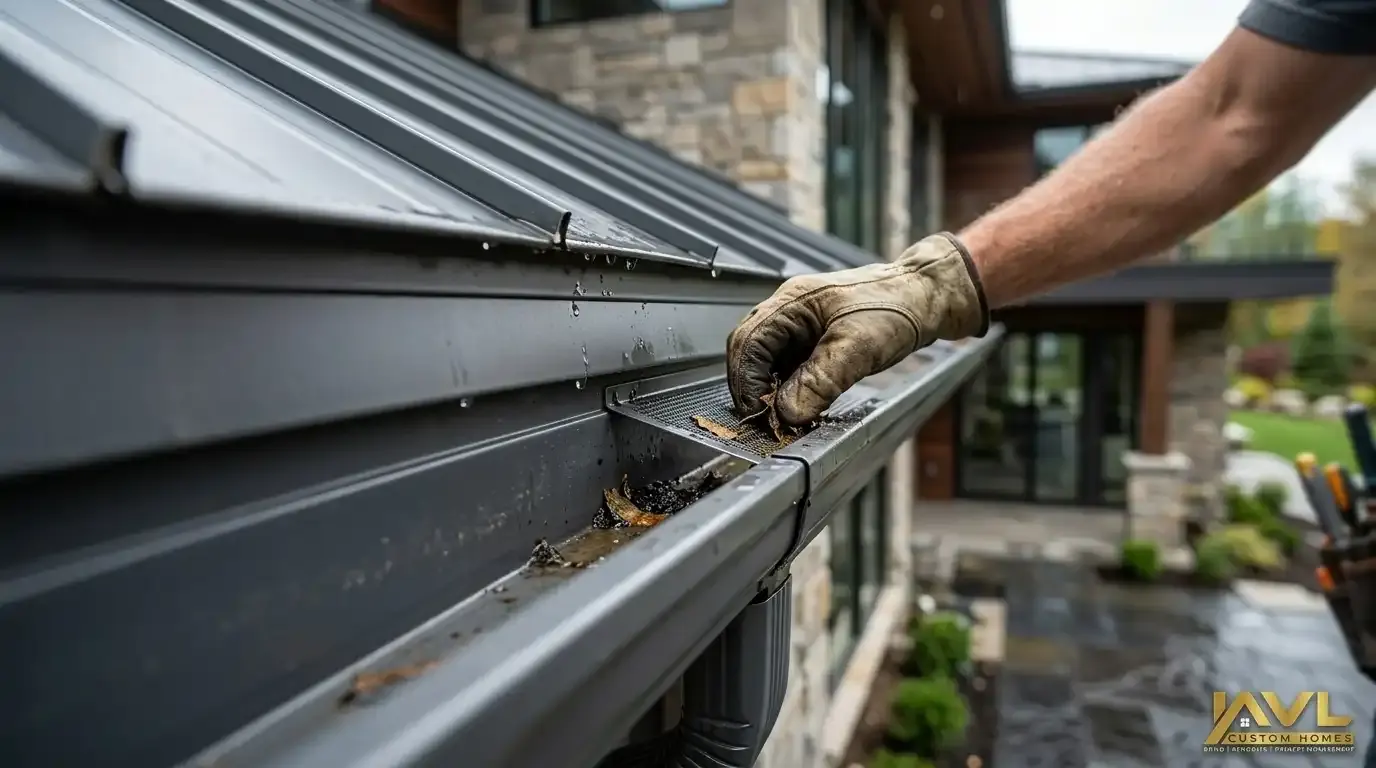
- Gutter final clean: Remove leaves after the last major drop; install guards if pine needles are chronic.
- Shut off exterior hose bibs: Drain and isolate interior valves; burst pipes from forgotten hoses are a classic November emergency.
- Weatherstripping and thresholds: Replace compressed door seals; add sweeps where daylight shows.
- Attic insulation spot-check: Look for settled batts, pest disturbance, or frost history on nails (sign of air leakage).
- Driveway and walkway: Fill cracks before freeze-thaw widens them; re-level trip hazards on steps.
- Smoke and CO alarms: Test all devices; replace batteries on schedule; replace units past manufacturer expiry.
Winter checklist (December–February)
Winter maintenance is mostly monitoring — but what you monitor matters.
- Ice dam watch: After heavy snow, look for icicles above heated spaces; chronic dams mean ventilation or insulation fixes, not just raking.
- Interior humidity balance: Too dry cracks trim; too wet condenses on windows and feeds mould. Use humidifiers or HRV settings deliberately.
- Snow load on gas meters and vents: Keep appliance vents and meters clear — blocked vents can cause carbon monoxide buildup.
- Backup heat plan: Know how to shut off water main if you lose heat during travel; smart leak detectors are cheap insurance.
- Generator or battery backup: If you rely on sump pumps, confirm backup power before March thaw.
- Exterior drain paths: Keep storm drains and window wells clear of snow and ice dams that redirect melt into the basement.
If you are away for extended periods, Annual Home Care visit logs give insurers and buyers evidence the home was watched through freeze cycles.
Year-round essentials
Some tasks transcend seasons:
- HVAC filters: Every 60–90 days (monthly if pets or renovation dust).
- Plumbing spot checks: Under-sink cabinets, water heater pan, washing machine hoses — look for green corrosion or stiff braided lines past ten years.
- Electrical panel: No buzzing, scorch marks, or warm breakers; label circuits; plan upgrade if you are adding EV chargers or heat pumps.
- Document everything: Photos, invoices, and visit reports raise trust at sale and simplify insurance claims.
- Thermal imaging every few years: Especially on pre-1980 Toronto housing stock — finds envelope gaps that visual walks miss.
Annual budget rule of thumb: set aside 1–2% of home value per year for maintenance and minor repairs on older GTA properties. A $1.2M detached home implies roughly $12,000–$24,000 annually when you include planned replacements — not just gutter cleans. Skipping years does not skip costs; it concentrates them into emergencies.
Printable quick reference
Save this rhythm: March — meltwater and AC prep; June — humidity, storms, and exterior wear; September — heat and drainage before leaves fall; December — ice, vents, and backup power. Monthly: filters, alarms, and a five-minute walk for leaks. Quarterly: test garage door auto-reverse, clean range hood filters, and flush seldom-used taps.
First-time homeowners in Toronto’s east-end semis and 905 tract bungalows often underestimate how fast small exterior gaps become basement claims. If you inherit a home with no maintenance log, assume zero baseline and front-load drainage, roof, and mechanical checks before cosmetic plans. Pair this checklist with city Annual Home Care pages when you want documented visits for insurance or resale — the paper trail is part of the ROI.
Frequently asked questions
How often should Toronto homeowners do seasonal maintenance?
Four seasonal passes plus monthly filter and alarm checks. Older homes benefit from at least one professional inspection annually.
What is the most important spring task?
Control meltwater — gutters, grading, sump pumps, and basement moisture checks after thaw.
How much does seasonal maintenance cost?
DIY supplies often run $300–$800 per year. Professional programs such as Annual Home Care typically start around $1,200–$3,500+ depending on scope.
When should I hire a pro?
Roof, gas, electrical panel work, structural cracks, drainage redesign, and combustion appliances should be handled by licensed trades.
Does maintenance prevent major renovation costs?
Consistently. Envelope and drainage maintenance prevents water and rot cascades that force six-figure rebuilds.
Our licensed team handles seasonal visits, thermal imaging, and documented reports across the GTA. View Annual Home Care plans or book a one-time inspection.

Written by Ali Vaez
Founder & Principal Builder, AVL Custom Homes Inc.
Structural engineer and design-build lead for renovations and custom homes across the GTA.
Published: 2024-12-01 · Updated: 2026-07-20
