
2026 Markham Spring Landscape Design Trends for Large Properties
If you are planning beyond seasonal upkeep, explore our Annual Home Care program for GTA homeowners, major home renovations in Toronto and the GTA, and guidance from our custom home builders in Toronto for long-term property planning.
Introduction to Spring Landscape Design in Markham
As snow melts across Unionville, Thornhill, and Cornell corridors, large-lot homeowners shift from winter recovery to active planning. Spring is when grading, planting windows, and irrigation startup intersect—getting the sequence right avoids rework when summer heat arrives.
Landscape design at scale begins with a disciplined site read: circulation (drive, walks, service paths), microclimates (shade lines, wind corridors), drainage patterns, and how the architecture reads from the street and rear gardens. On generous lots, the objective is not maximal planting—it is legible structure: arrival sequences, dedicated entertaining terraces, quiet perimeter planting, and recreation zones that stay maintainable as trees mature.
Early coordination protects asset value. Defined edges, balanced evergreen-to-deciduous massing, and predictable maintenance rhythms preserve curb appeal and reduce reactive spend. Deferred decisions often surface as poor drainage, overcrowded beds, or plant palettes ill-suited to Markham’s freeze–thaw cycles—issues cheaper to address in spring planning than mid-season rescue.

Benefits of Native Plants and Sustainable Landscaping for Large Properties
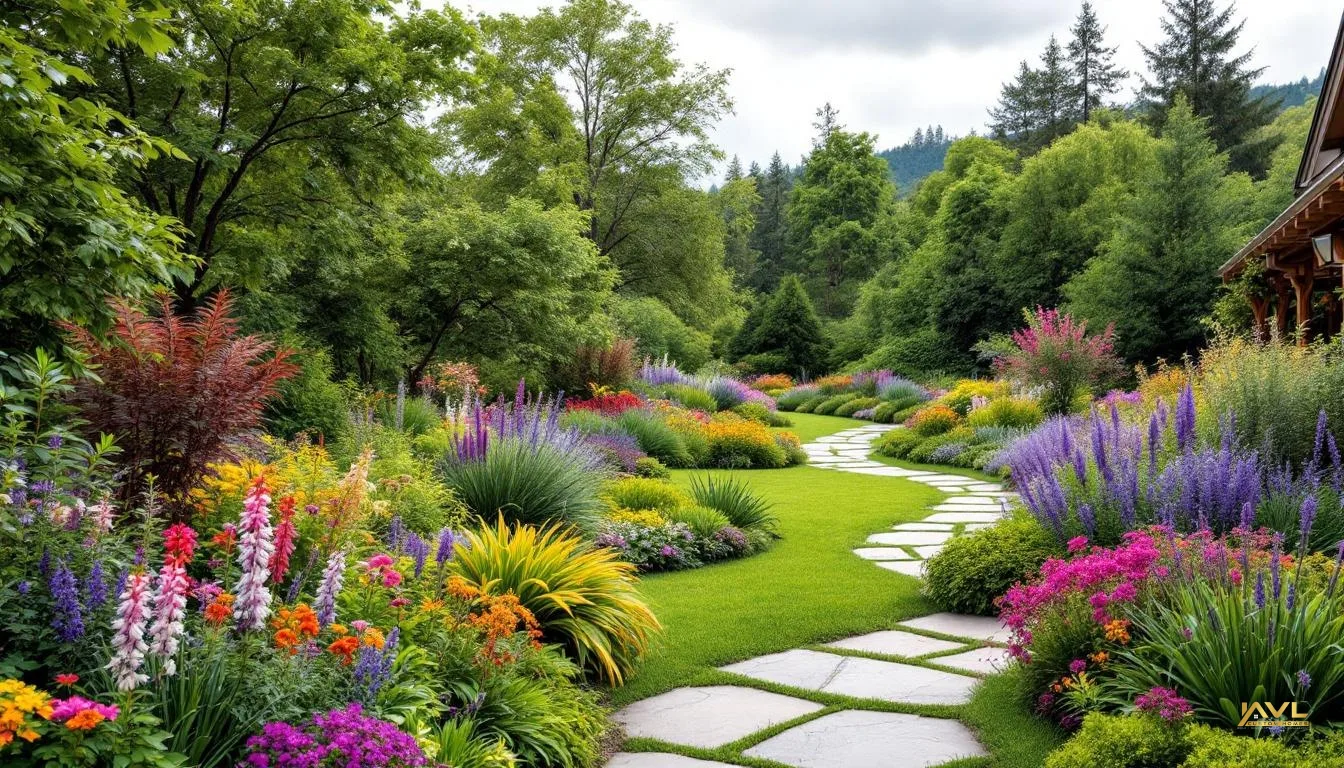
Native palettes—serviceberry, oak and maple canopy trees, viburnum, milkweed, and matrix-style grasses—establish faster with less supplemental water once roots anchor. On large sites, that stability shows up in lower irrigation runtime, fewer disease cycles, and cleaner stormwater balance when paired with engineered swales or rain gardens at downspout collection points.
Permeable drive aisles, segmental retaining with geogrid where slopes demand, and wood mulch kept to a reasonable depth keep soil biology active and reduce sheeting across hardscape during April thaws. Markham’s growth plan continues to favour green frontage; aligning front-yard softscape with durable native ground layers supports both policy direction and long-term mechanical simplicity.
Over-reliance on exotic species that need constant chemical support or poor water discipline typically increases carry costs: higher water bills, more frequent plant replacement, and runoff that amplifies local flooding during intense spring events. A native-forward plan trades showy but fragile instant colour for regional character and lower life-cycle effort.
Spring Lawn Cleanup and Garden Care Plans for Markham Homeowners
Program execution starts with debris removal, bed edging, and inspection of plow or snow-load damage along drives and walk edges. Turf work follows a clear order: dethatch where the organic mat exceeds roughly half an inch, aerate where compaction shows (high foot traffic, clay caps), then overseed with a cool-season blend matched to sun exposure. Ornamental pruning happens on appropriate species windows—structural cuts before sap runs hard; bloom timing respected for spring flowerers.
Soil organic matter and balanced fertility support the root flush that follows aeration. Documenting a season map—fertilizer windows, irrigation start-up, IPM scouting—keeps large sites from turning reactive. Spring is also when buried drainage issues surface; addressing low wet corners now prevents summer moss and winter ice slicks on walks.
Skipping cleanup and cultural turf work forces the landscape into catch-up mode: weak stands invite crabgrass, patchy colour increases water spend, and delayed pruning creates hazard wood that costs more to remove in summer. For tree work at scale, use insured arborists; for broad acreage, phase the program so high-visibility zones lead and rear zones follow without losing control of the overall composition.
Incorporating Fruit Trees, Berry Bushes, and Vegetable Beds into Landscape Architecture
Edible layers work when they read as landscape first, harvest second. Espalier and cordon fruit along south-facing fence lines, columnar apples to mark path terminals, and blueberry drifts in full-sun beds provide structure and seasonal interest. Raised kitchen beds in stone or FSC cedar can double as seat walls; herbs stay within a short walk of the cook line for daily use.
Sun hours, irrigation zoning, and winter hardiness must match Markham’s growing season. Serviceberry and highbush cranberry offer spring flower, summer fruit, and fall colour while supporting pollinators. Productive beds raise real estate stories for buyers who value food security and outdoor living—when the layout stays coherent with the architecture.
Failure modes are predictable: wrong aspect and shade, poor soil prep, or hardscape and bed walls inside regulated setbacks. Always confirm survey, easements, and fence height rules before you build. A scattershot vegetable corner without visual hierarchy undermines the investment; so does underestimating maintenance—edible success is scheduling, not inspiration.
For those undertaking significant garden renovations or considering adding structures, whether for edibles or other purposes, it's always wise to consult with professionals who understand local regulations and can help manage your project seamlessly. Whether it's planning for a major outdoor kitchen or intricate terraced garden beds, their expertise can be invaluable, much like the detailed planning required for any comprehensive property enhancement, such as those discussed in our 2026 Oakville Townhouse Spring Maintenance Guide. AVL Custom Homes, for instance, often collaborates with landscape architects to ensure that major exterior transformations are both beautiful and fully compliant with all municipal requirements, preventing costly mistakes.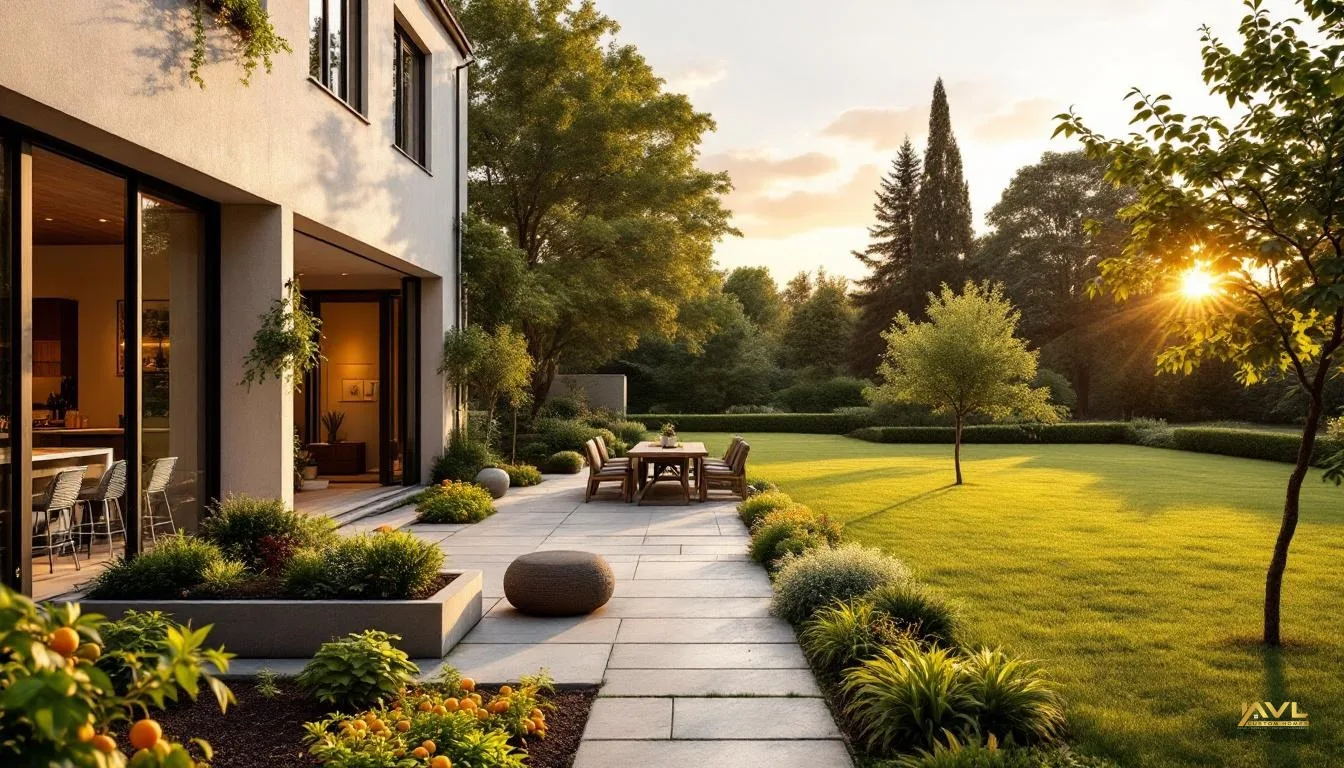
Conclusion and Actionable Tips for Markham Homeowners
Spring in Markham offers a fresh start, a verdant invitation to transform your large property into a landscape that not only captivates but also contributes to your lifestyle and the local environment. From the initial cleanup to the strategic integration of native plants and edible gardens, thoughtful spring landscape design is an investment that pays dividends in beauty, sustainability, and property value. The journey begins with recognizing the potential of your expansive space. By embracing native flora, you cultivate a resilient, low-maintenance garden that thrives in our climate and supports crucial biodiversity. Implementing sustainable practices like smart water management further solidifies your commitment to an eco-friendly and cost-effective outdoor living experience. And by ingeniously weaving in fruit trees, berry bushes, and vegetable beds, you add a layer of functionality and personal reward, turning your landscape into a productive extension of your home. Here are some actionable tips for Markham homeowners to embark on their spring landscape design journey: * **Start with a Master Plan:** Even if you're tackling projects in phases, sketch out a comprehensive plan for your entire property. Consider zones for entertainment, relaxation, edibles, and natural areas. This prevents disjointed efforts and ensures a cohesive final look. * **Assess and Amend Your Soil:** A soil test is invaluable. Knowing your soil's composition and pH levels will guide your plant choices and nutrient amendments, laying a strong foundation for healthy growth. * **Prioritize Native Plants:** Research native trees, shrubs, and perennials that are well-suited to Markham's conditions. Visit local nurseries that specialize in native species for expert advice and selection. * **Embrace Water Management:** Think about how water moves across your property. Consider rain barrels, rain gardens, or permeable pathways to capture and utilize rainwater efficiently, reducing runoff and irrigation needs. * **Plan Edible Gardens Thoughtfully:** Identify sunny spots for fruit trees, berry bushes, and vegetable beds. Design these areas to integrate aesthetically with your overall landscape, perhaps using attractive raised beds or espalier techniques. Remember to check setback bylaws for any structures. * **Invest in Quality Tools and Materials:** Good tools make tasks easier and more efficient. High-quality materials for hardscaping, soil amendments, and plants will ensure longevity and a professional finish. * **Consider Professional Guidance:** For large-scale projects, complex designs, or integrating significant structural elements, don't hesitate to consult with a landscape architect or design-build firm. They can provide expertise, ensure compliance with local regulations, and bring your vision to life seamlessly. Firms like AVL Custom Homes understand the intricacies of Markham property development and can help translate ambitious landscape designs into stunning realities, often collaborating with specialized landscape teams to ensure the highest quality results.What is the ideal timeline for spring landscape design in Markham?
The ideal timeline for spring landscape design in Markham begins with planning in late winter (February-March). This allows ample time for design, ordering materials, and scheduling contractors. Physical work like cleanup, pruning, and soil preparation can start as soon as the ground thaws (late March-April), with planting of most trees, shrubs, and perennials occurring in May.How do I choose the right plants for my large Markham property?
When choosing plants for a large property, consider sun exposure, soil type, mature size, and desired aesthetic. Prioritize native plants for their resilience and ecological benefits. Also, factor in seasonal interest (flowers, fall color, winter structure) and varying heights and textures to create visual depth and year-round appeal.What are common mistakes to avoid in spring landscape design for large properties?
Common mistakes include neglecting a comprehensive plan, choosing plants unsuited to Markham's climate or soil, ignoring drainage issues, improper spacing of plants (leading to overcrowding), and failing to check local bylaws for structures or grading changes. Rushing the process without proper preparation also leads to subpar results.Can I incorporate water features into my large Markham landscape?
Yes, water features can be a stunning addition to a large Markham property. From ponds and streams to decorative fountains or rain gardens, they add visual interest, soothing sounds, and attract wildlife. Ensure proper planning for size, filtration, maintenance, and proximity to power and water sources.When should I hire a professional for my Markham spring landscape project?
You should consider hiring a professional for extensive projects, complex designs, major hardscaping, large tree planting, or if you lack the time or expertise. Professionals can provide detailed plans, ensure compliance with local regulations, access quality materials, and execute the project efficiently, saving you time and potential costly errors.
Written by Ali Vaez
General Manager, AVL Custom Homes Inc.
Bringing over 20 years of global construction experience and more than a decade of dedicated service to Richmond Hill and the Greater Toronto Area.
Published: 2026-05-01 · 17 min read · 3,285 words
AVL Custom Homes provides expert home services across Markham and the Greater Toronto Area.
Contact us today — we serve Markham and surrounding communities.